
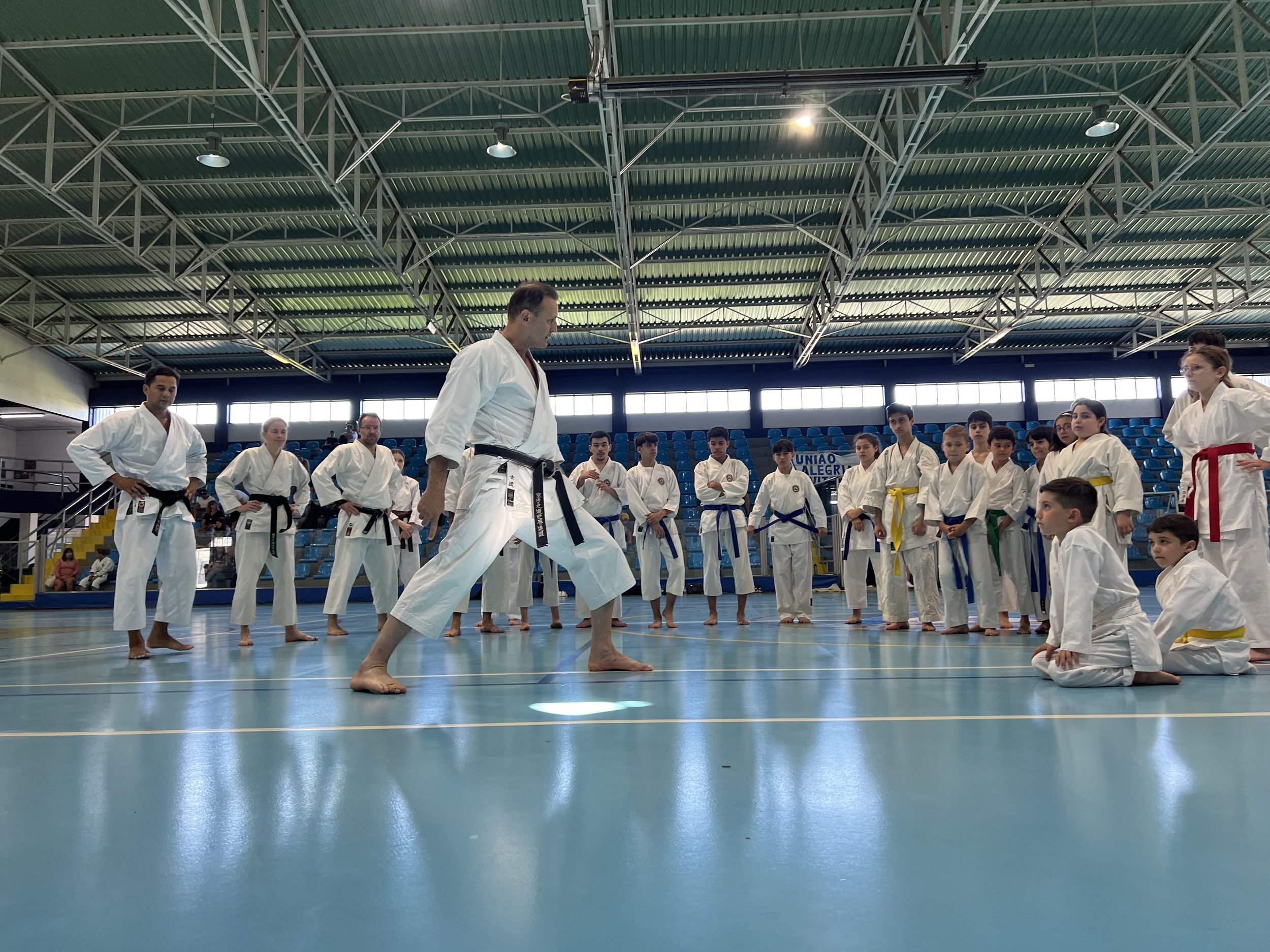
Join us every Saturday Balham Leisure Centre
SW17 8AN
Advance class 12pm until 1pm
Beginners class 1.30pm until 2.30pm
About us
We are a London-based karate club that has been training under the supervision of Sensei Sid Tadrist since 1998. Sensei Tadrist is a double KWF World Champion, KWF HQ Japan International supervisor, and KWF chief instructor in the UK. He is the founder of Self Defence Strategy (SDS), a highly impactful and effective form of self-defense.
Our club is a diverse mix of nationalities, cultures and abilities. We are welcoming, supportive and respectful of every member. A great club to start or progress your karate journey.
Karate, which means “empty hand” in Japanese, is a martial art that uses the hands and feet for self-defence and controlled movement. It’s not about aggression, it’s about discipline, focus, and building both physical and mental strength.
Through regular practice, karate helps improve fitness, flexibility, coordination, and overall power. One of its key principles is learning to move the whole body in harmony, which comes with time, patience, and practice.
But karate isn’t just physical, it’s also a journey of the mind. As students train, they develop focus, self-discipline, and resilience. Over time, this fosters confidence, respect, and inner strength that extend beyond the dojo into everyday life.
Training is broken into three main principles: kihon 基本, kata 型 and kumite 組手
As students grow, they learn not only how to deliver strong and accurate techniques, but also when and how to control them. Karate welcomes everyone, regardless of age or experience, and offers a powerful way to grow in body, mind, and spirit.
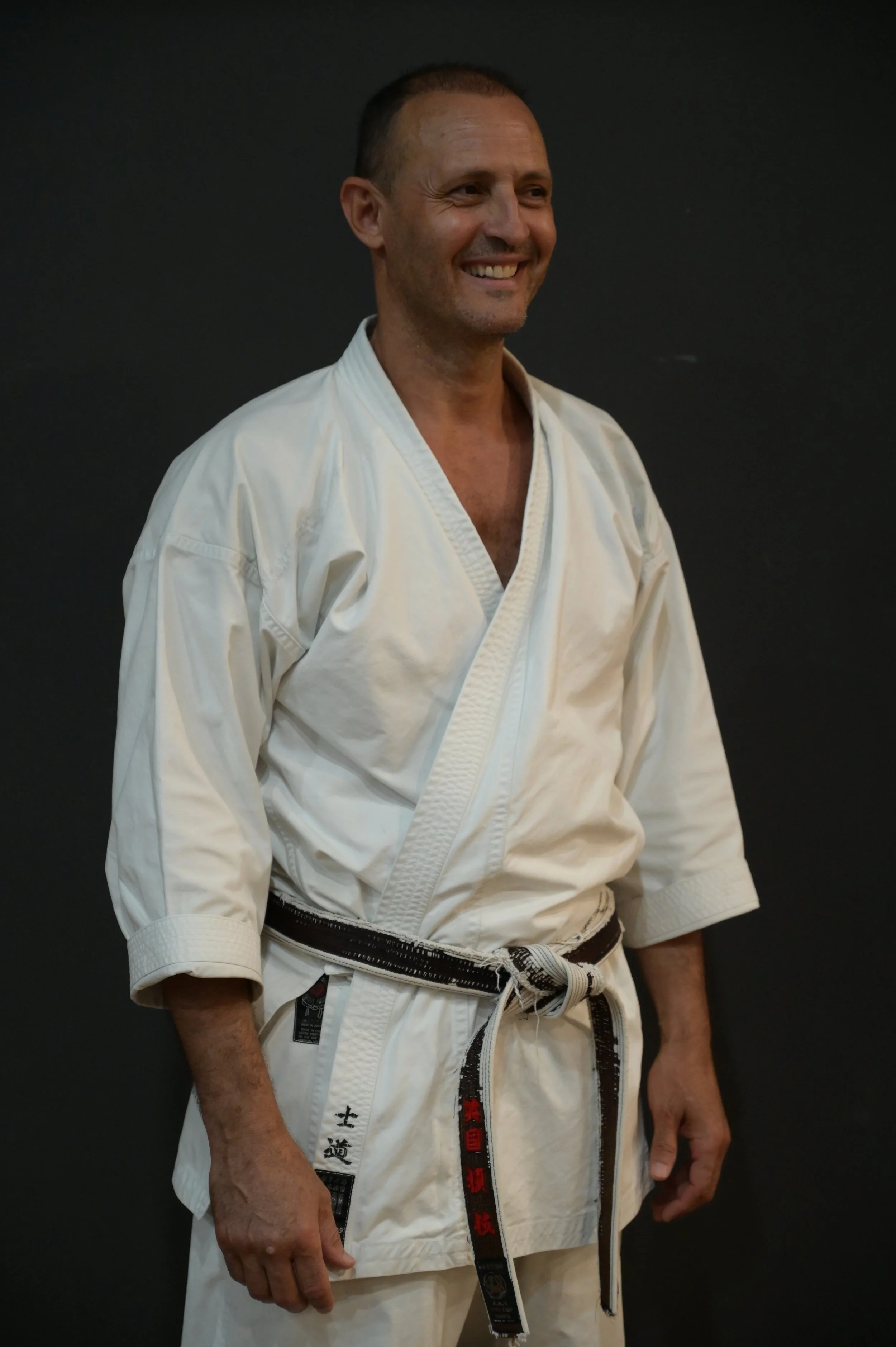
Instructors and club officials
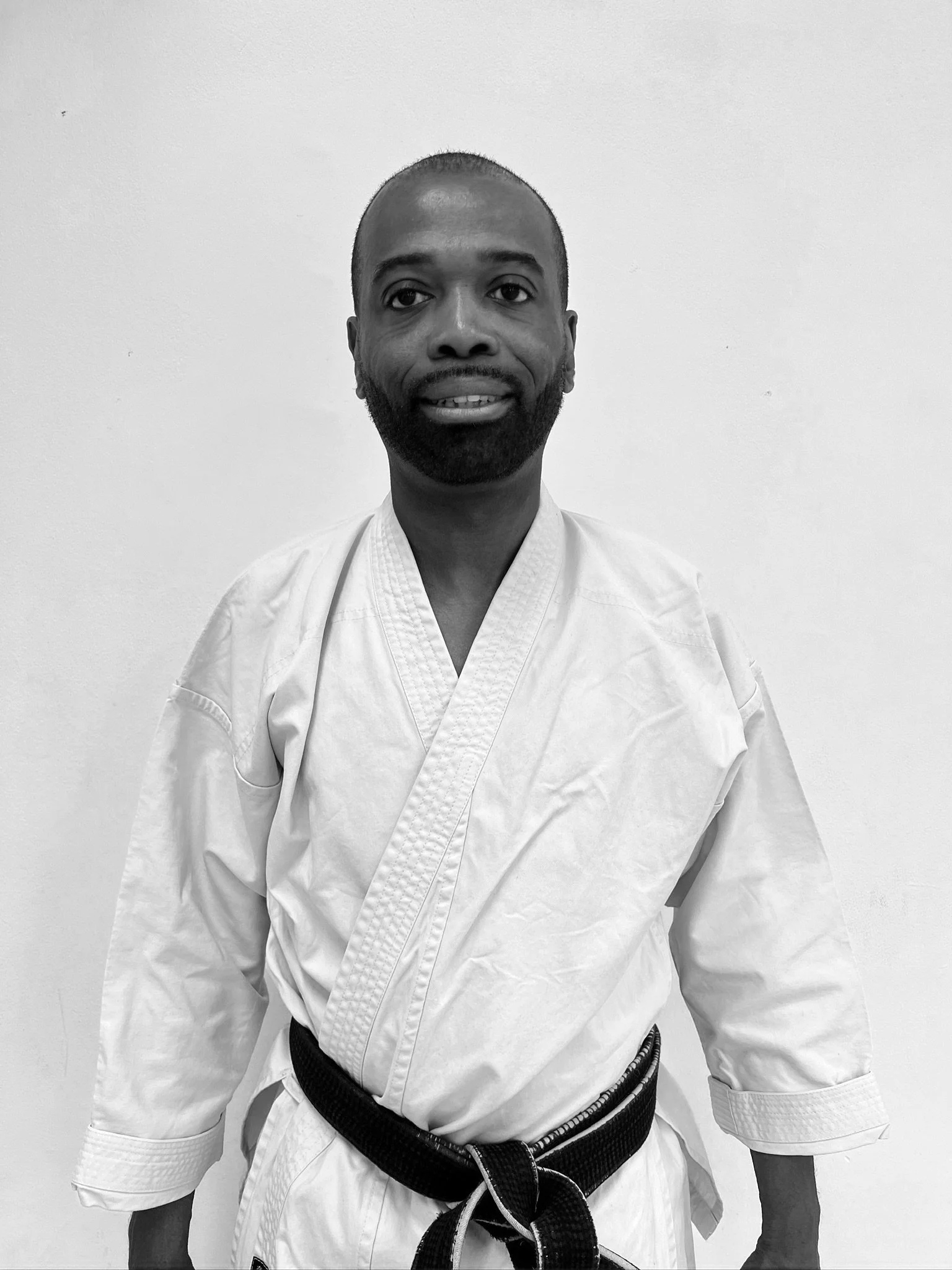
Olivier Arnolin 4th Dan
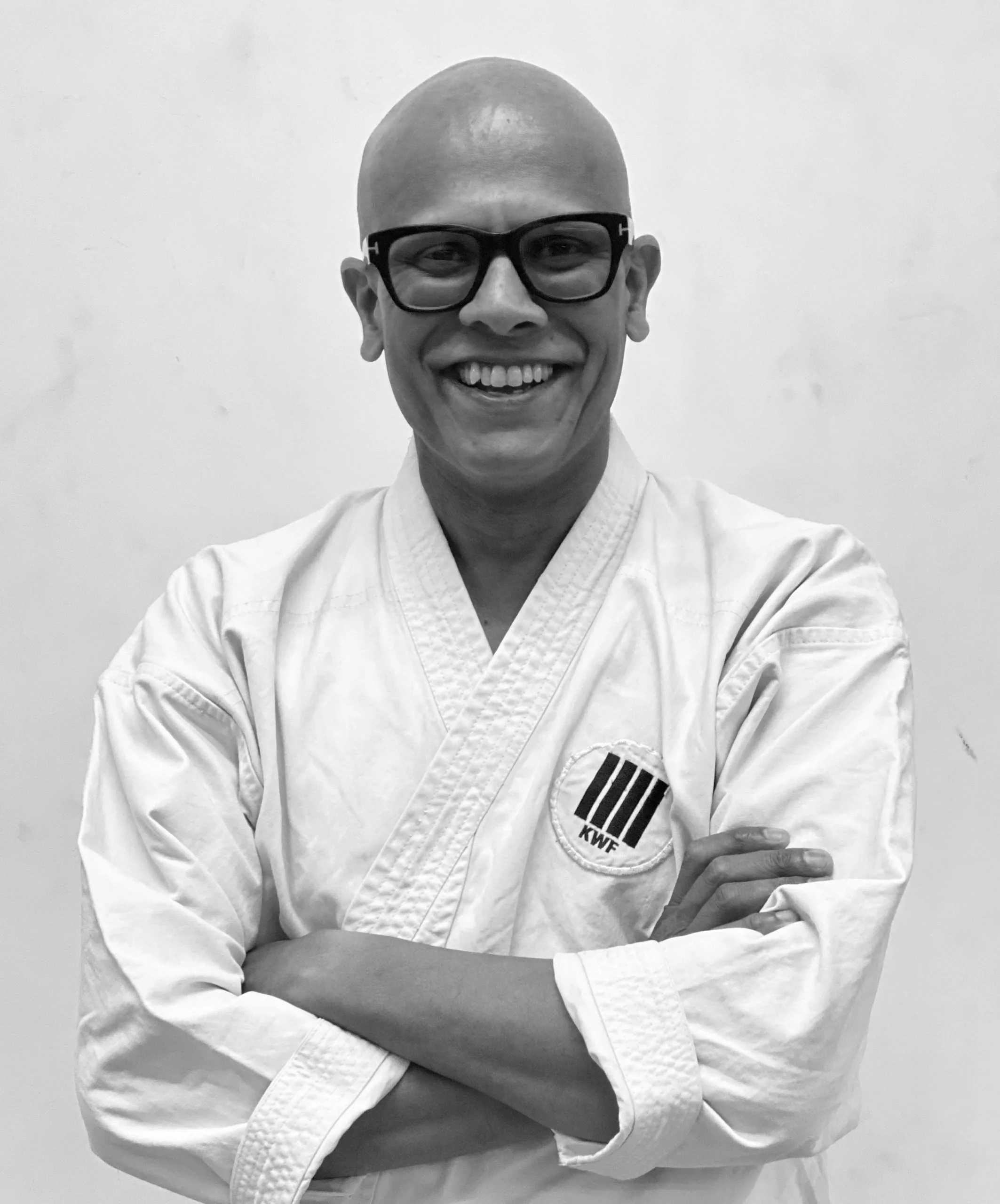
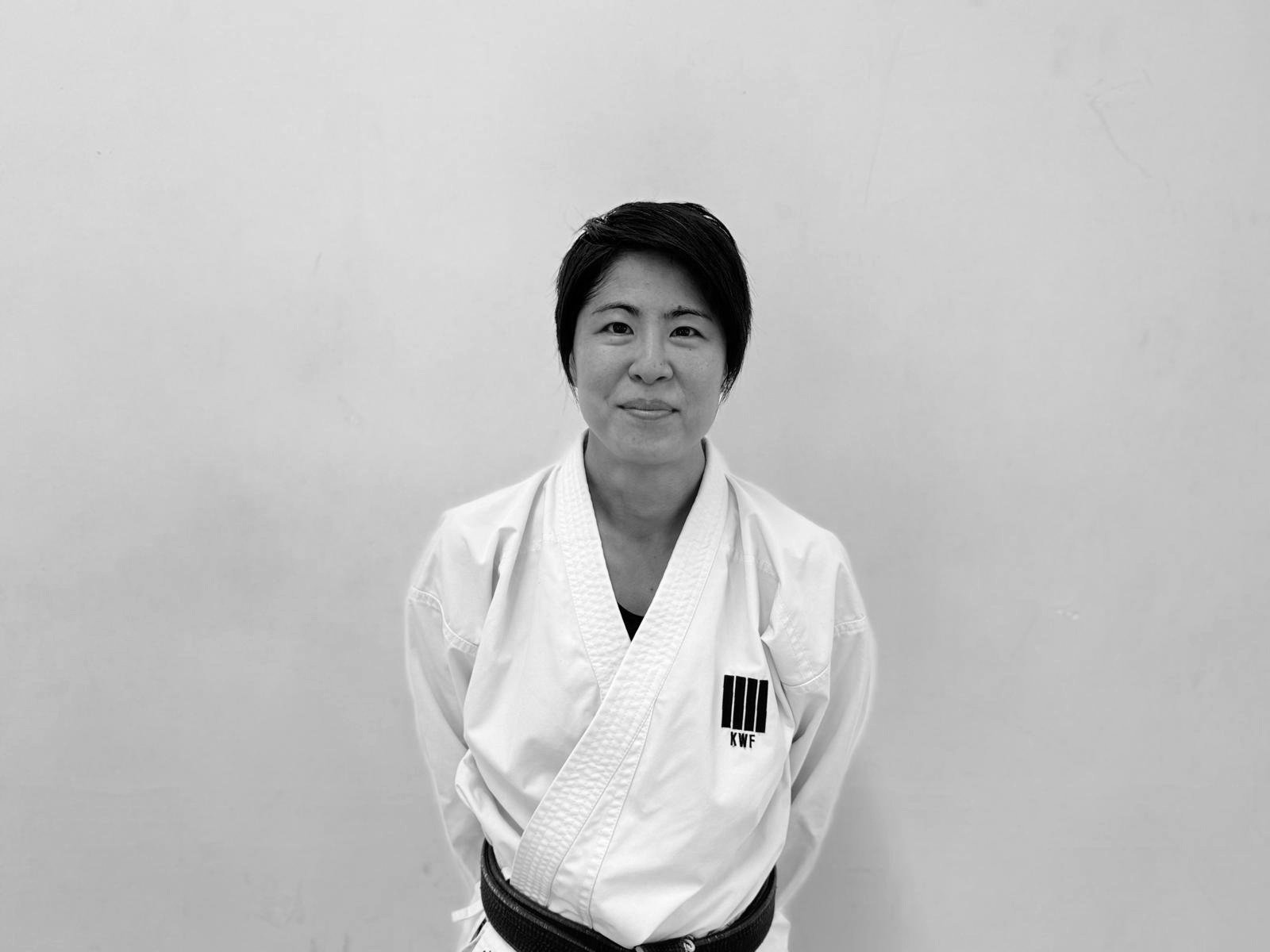
Yuka Miyakita 4th Dan
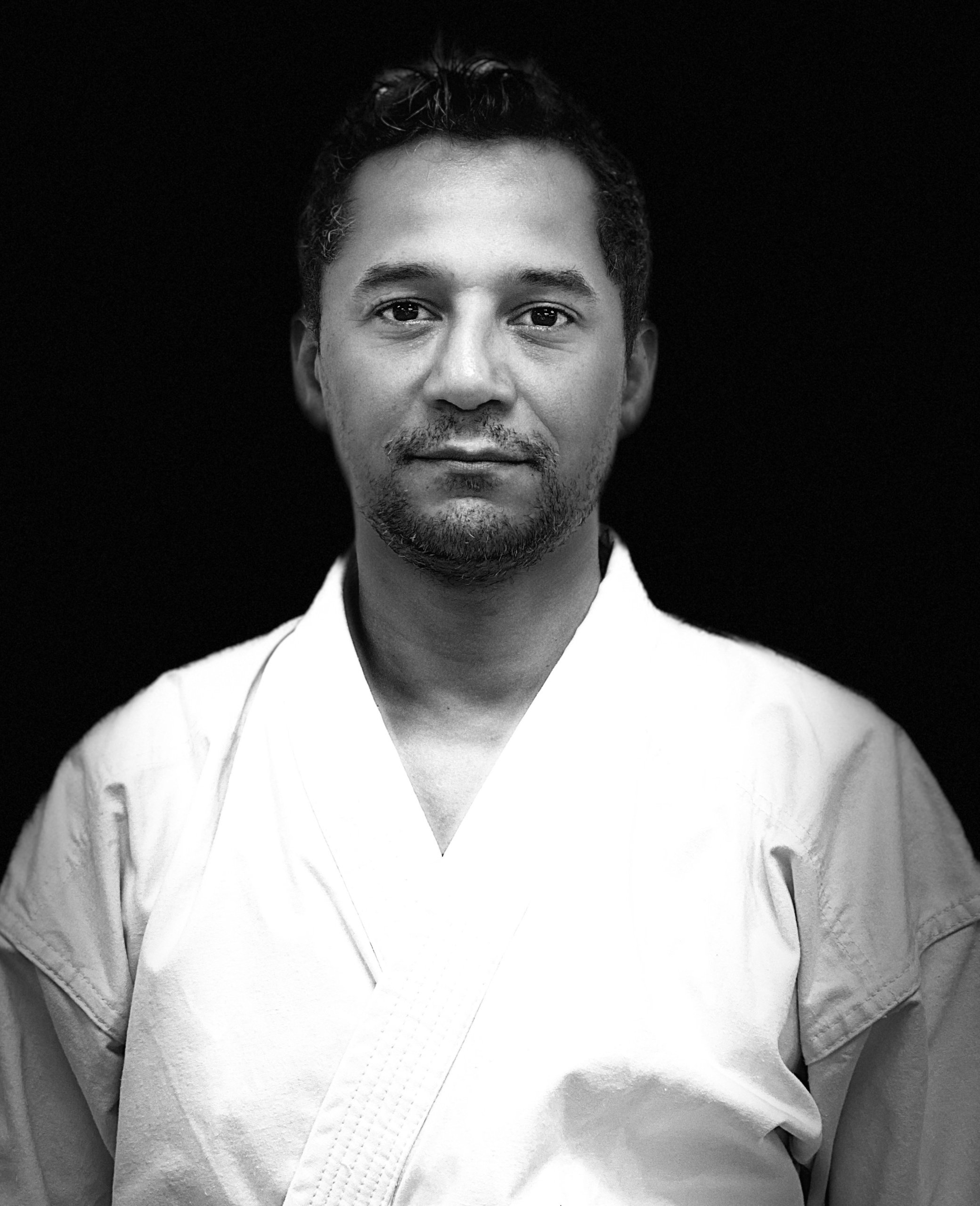
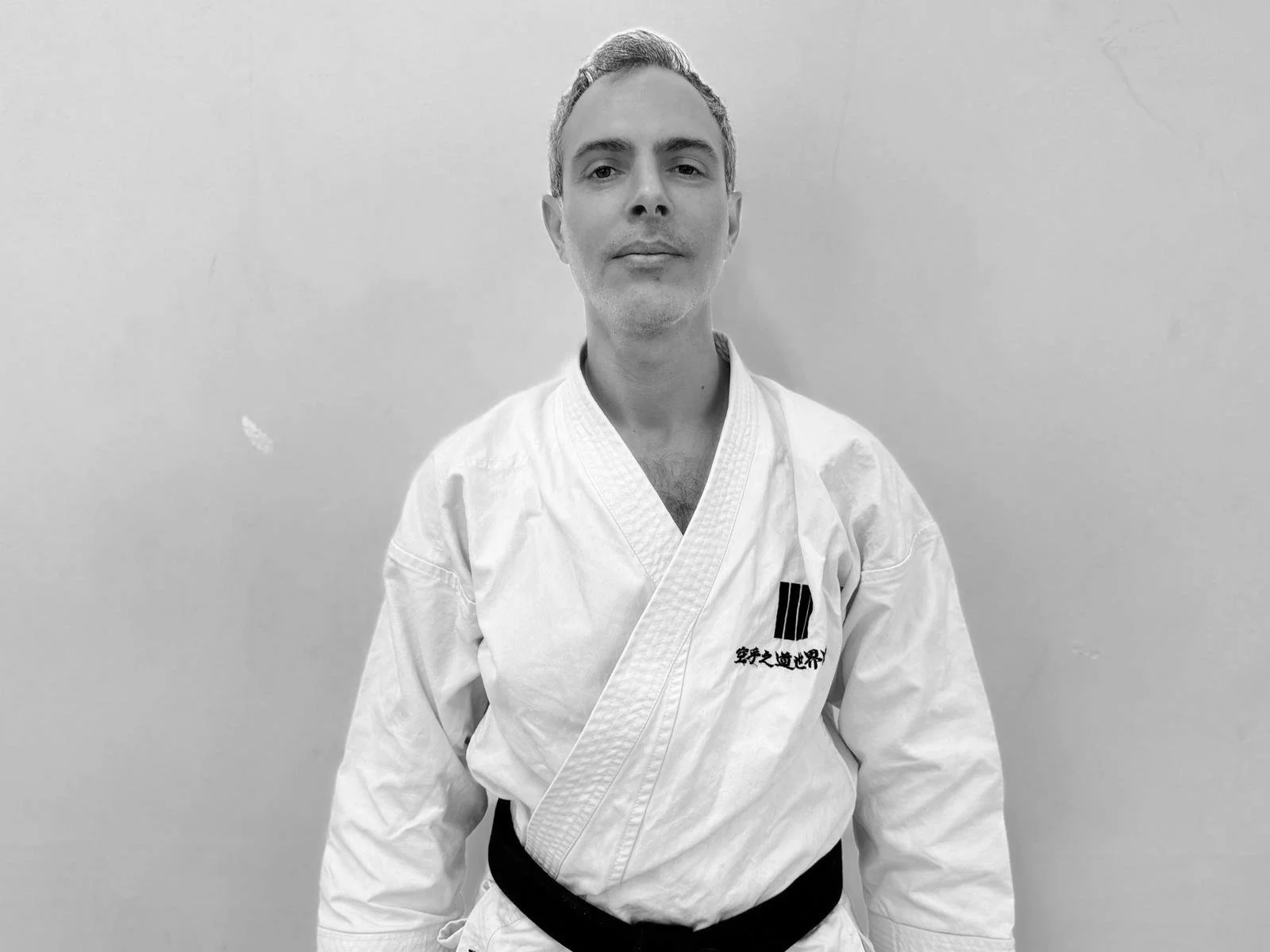
Jonatthan Kopelman 3rd Dan
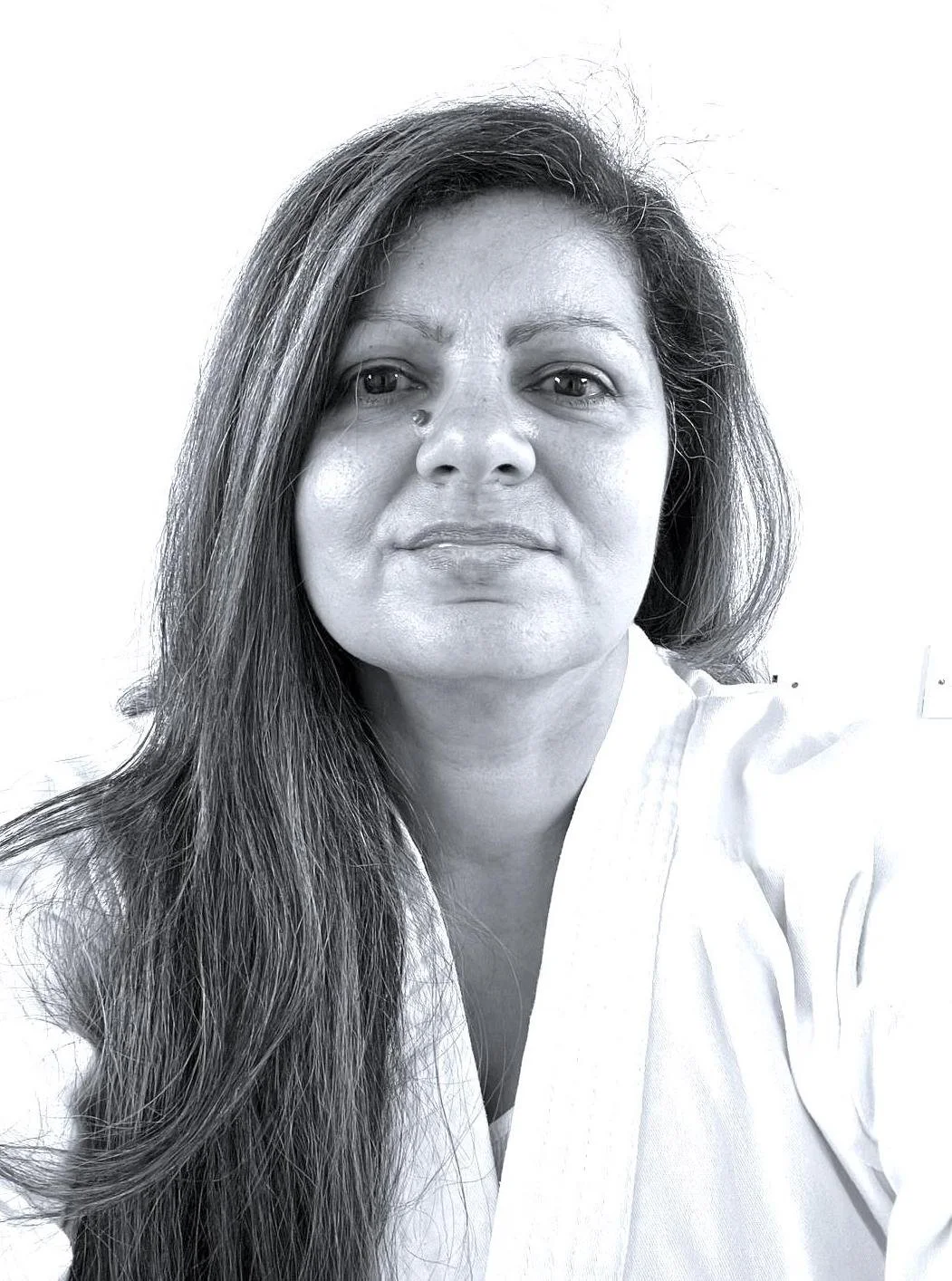
Tibah Hussain 4th Dan
Eldridge Netry 5th Dan
Neil Wirasinha 4th Dan
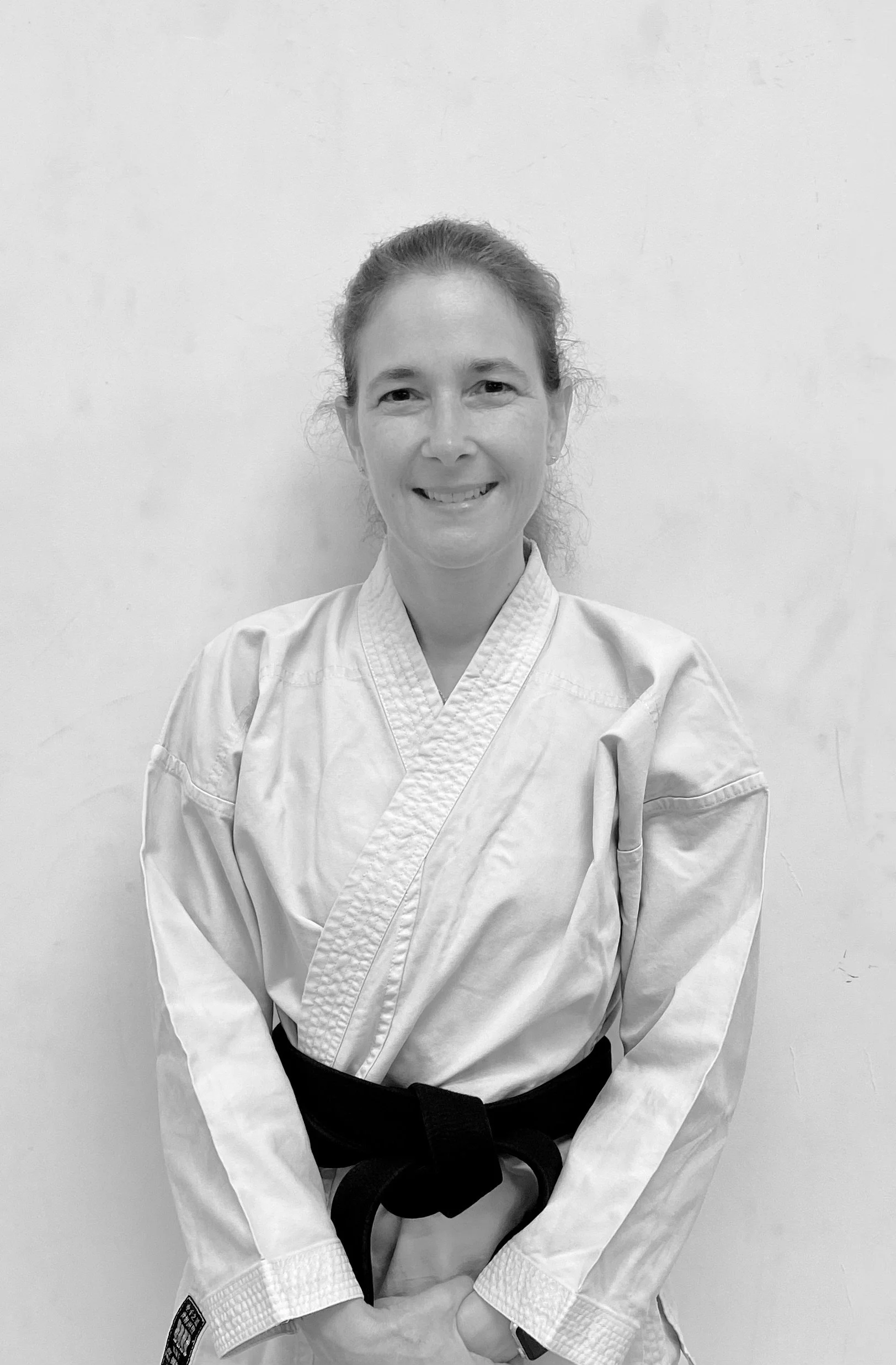
Isabelle Tomatis 2nd Dan
Karate principles
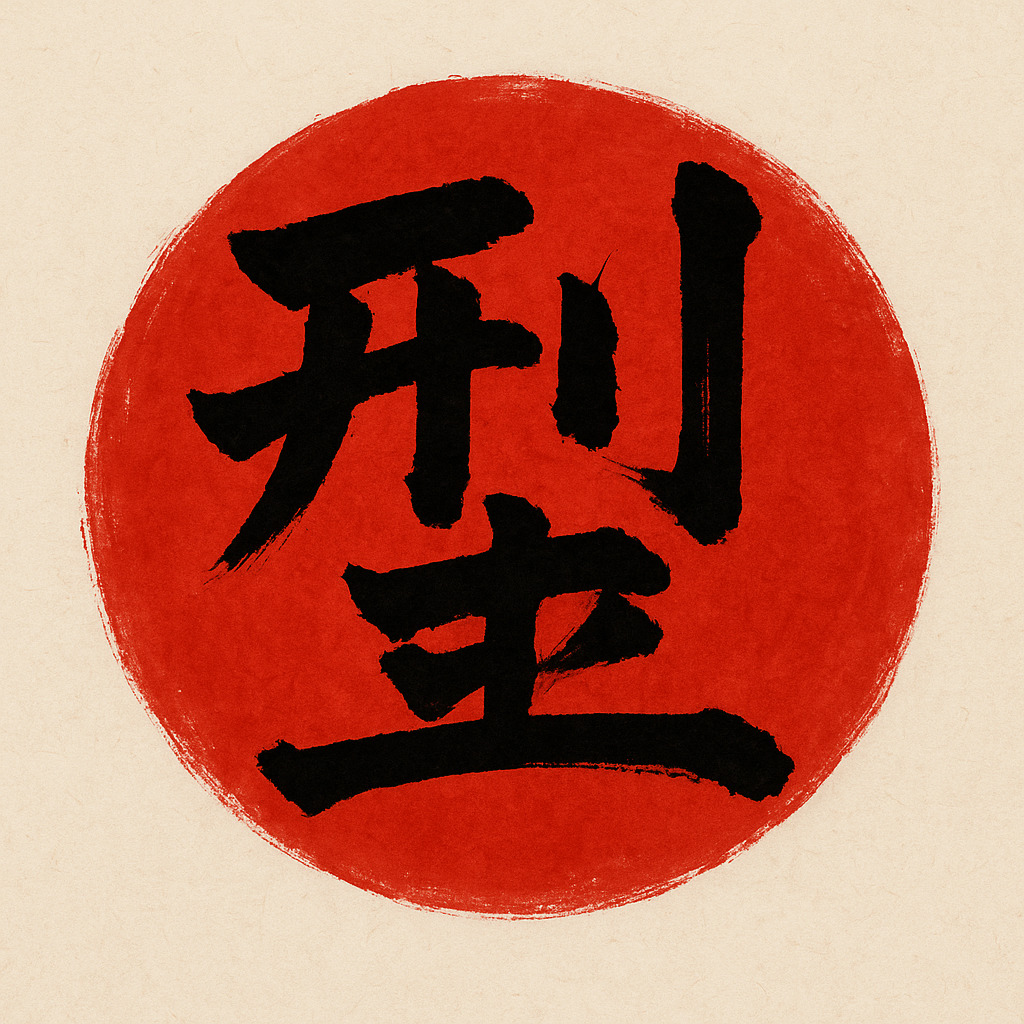
Kata 型
Kata (型) is a fundamental part of traditional karate training. It is a series of choreographed movements, performed in a specific order, that simulate defending against and attacking multiple imaginary opponents. These movements include blocks, strikes, kicks, stances, and turns.
Each kata is like a short story. It teaches the student how to move, where to strike or block, and how to stay balanced and focused. Although you're practicing alone, it's as if you're surrounded by attackers and responding to each one. This helps develop timing, rhythm, precision, and awareness.
Every kata has its own name, rhythm, and purpose, and as students progress, they learn more complex forms. It's a way to carry on centuries of martial knowledge and refine both the body and mind through repeated practice.
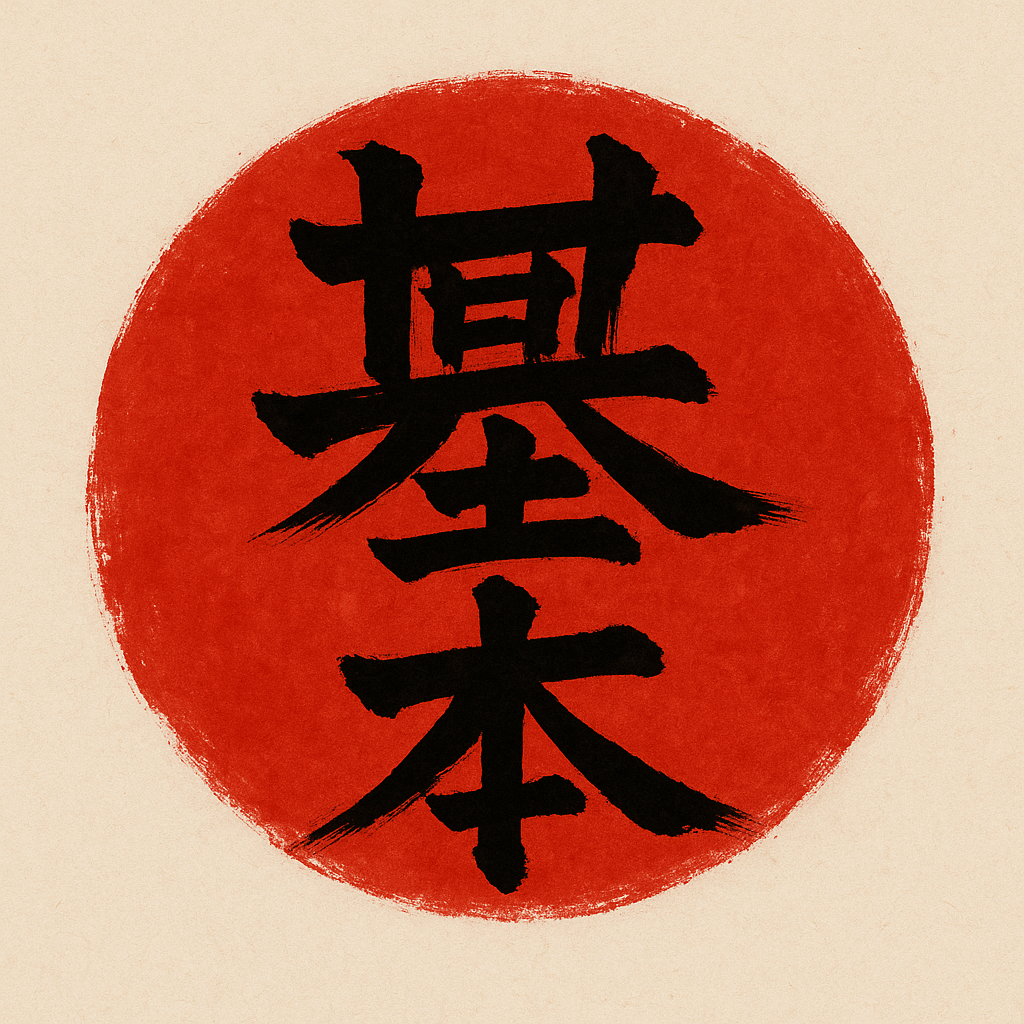
Kihon 基本
Kihon (基本) means “basics” in Japanese, and it forms the foundation of all karate training. It involves practicing individual techniques, including punches, kicks, blocks, and stances, in a structured way.
Through Kihon, students learn how to move correctly, with power, control, and coordination. Each repetition helps build muscle memory, improve posture and balance, and develop focus and discipline.
Kihon is often practiced in lines, with students moving in unison, guided by the instructor. Although it may look simple, it’s essential for mastering more advanced aspects of karate, like kata and kumite (sparring).
Just like building a house starts with strong bricks, karate begins with strong basics, and Kihon is how those are built.
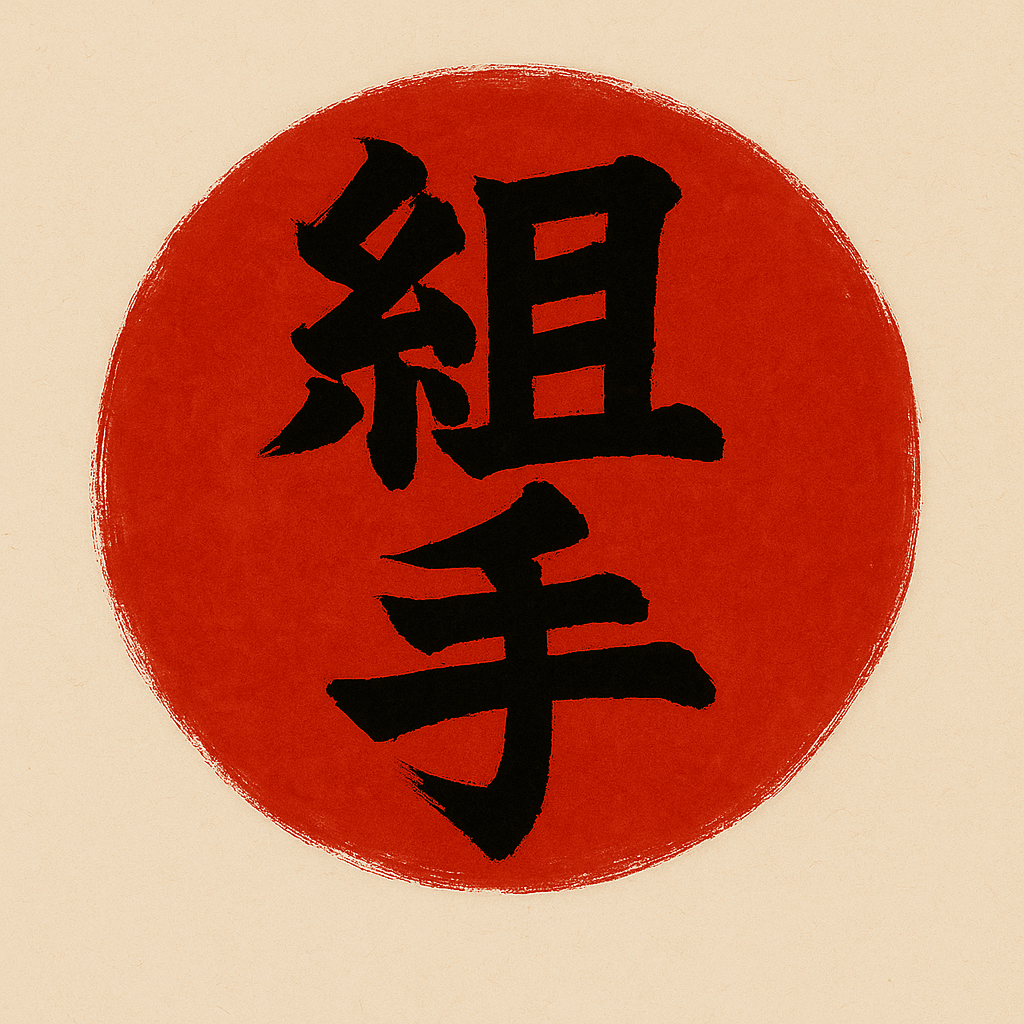
Kumite 組手
Kumite (組手) means “sparring,” and it’s the part of karate where students practice techniques with a partner. It brings together the skills learned in Kihon and Kata and applies them in real-time.
In Kumite, students take turns attacking and defending, learning to move with speed, timing, and control. The goal isn’t to fight aggressively, but to understand distance, read your partner’s movements, and respond with focus and discipline.
There are different types of Kumite—from basic drills with set moves to free sparring where students move and react more freely. Safety and respect are always central, so students learn to deliver strong techniques with control.
Kumite helps build confidence, sharp reflexes, and the ability to stay calm under pressure—key qualities both in karate and in life.
Book a class
Thank you for your interest in booking an appointment with us. Whether you're a beginner or an experienced martial artist, we're excited to help you on your karate journey. Please choose a convenient time, and we look forward to seeing you at the dojo soon!

Follow us on social
Contact Us
If you are interested in joining our club or would like any further information, please contact us and we will be happy to help you.